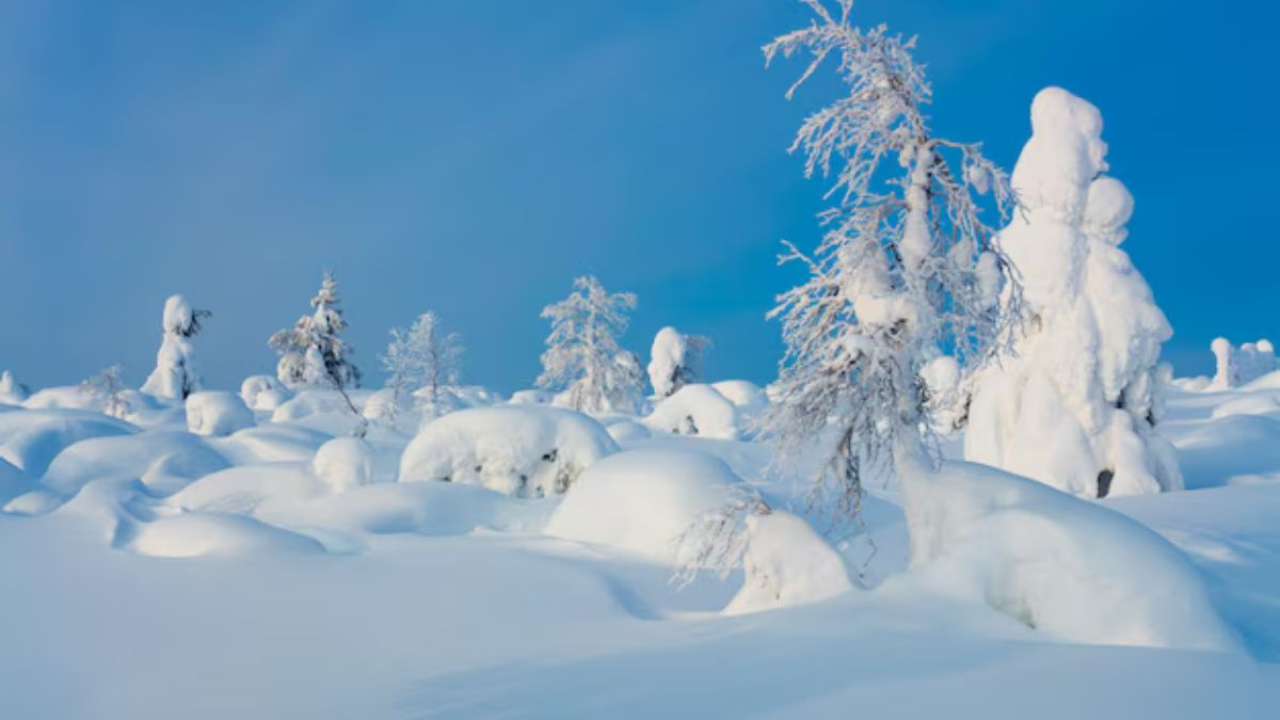
Snowhiter: The Quiet Magic of Snow-Covered Worlds
In many ways, winter has always held a special place in human imagination. When the world turns white and quiet under layers of snow, everything feels calmer, softer, and almost magical. This is where the idea of Snowhiter comes in. Rather than being a specific object, brand, or scientific concept, Snowhiter works more like a descriptive narrative term. It represents the beauty, symbolism, and peaceful atmosphere that snow-covered environments create.
When we talk about Snowhiter, we are describing more than just snowfall. We are describing a feeling. It’s the stillness of a snowy morning, the glow of light reflecting off untouched snow, and the quiet sense of wonder that winter landscapes bring. In simple terms, Snowhiter captures the emotional and visual experience of snow in its purest form.
In this article, we explore what Snowhiter means, where the idea comes from, how it influences culture and storytelling, and why snowy landscapes continue to inspire people around the world.
Quick Info About Snowhiter
Before diving deeper, here is a quick overview of the concept:
Term: Snowhiter
Meaning: A descriptive narrative term representing the beauty and symbolism of snow-covered environments
Nature: Conceptual and artistic expression rather than a technical definition
Themes: Peace, purity, transformation, nature, reflection
Common Use: Writing, storytelling, visual arts, nature description, winter photography, and environmental appreciation
Snowhiter is essentially a creative way to describe the deeper emotional and symbolic experience that snow brings to a place.
Understanding the Meaning of Snowhiter
To truly understand Snowhiter, we need to think beyond the physical presence of snow. Snow itself is simply frozen water falling from the sky, but the experience of it goes much deeper.
When snow falls, the environment changes dramatically. Colors soften. Sounds become quieter. Familiar places suddenly feel new again. Streets, forests, mountains, and fields transform into calm white landscapes.
Snowhiter represents this transformation.
It captures the moment when nature feels almost suspended in time. The air is colder, the world is quieter, and people naturally slow down to appreciate the environment around them.
Instead of being a technical word, Snowhiter works as a storytelling concept. Writers, artists, and nature lovers use it to describe winter scenes that carry emotional depth and peaceful beauty.
The Symbolic Power of Snow
Snow has always been rich with symbolism across cultures. Snowhiter builds on these meanings and gives them a narrative identity.
Purity and Fresh Beginnings
One of the most common associations with snow is purity. Fresh snow appears untouched and clean, covering the landscape like a blank page.
Snowhiter reflects this idea of renewal. When snow covers the ground, it feels as though the world has been reset. Old marks disappear, and everything looks new again.
This symbolic reset often inspires reflection. It encourages us to think about change, growth, and new beginnings.
Silence and Peace
Snow also creates a unique quietness. Snowflakes absorb sound, making snowy environments noticeably calmer than usual.
Snowhiter captures this peaceful silence. It represents moments when nature feels calm and balanced, allowing us to pause and reconnect with the environment.
Transformation
Perhaps the most powerful aspect of Snowhiter is transformation.
A familiar city street can look completely different after snowfall. A forest path becomes magical. A mountain landscape becomes dramatic and breathtaking.
Snowhiter symbolizes this transformation of ordinary places into extraordinary scenes.
Snowhiter in Storytelling
Throughout history, winter landscapes have inspired countless stories, myths, and creative works. Snowhiter naturally fits into this tradition of storytelling.
Creating Atmosphere
Writers often use snow to create atmosphere. A snowy setting can feel mysterious, peaceful, romantic, or even dramatic depending on the story.
Snowhiter represents that atmosphere-building power. It helps describe environments where winter scenery plays an important role in shaping the mood.
For example, a quiet snowy village at night creates a completely different emotional tone than a crowded summer street.
Emotional Reflection
Snowy environments often mirror emotions.
A lonely snowy landscape might represent isolation or reflection. A bright snowy morning might represent hope and joy.
Snowhiter captures these emotional connections between nature and human experience.
Fantasy and Imagination
Snow landscapes also spark imagination. They often appear in fantasy stories, magical adventures, and mythical worlds.
The shimmering white fields, icy forests, and glowing winter skies naturally feel otherworldly. Snowhiter represents this imaginative potential, where winter scenes become gateways to creativity.
Snowhiter in Art and Photography
Visual artists and photographers have long been fascinated by snow-covered environments.
Snow changes the way light behaves in a landscape. Sunlight reflects off the surface, shadows become softer, and colors appear cooler and more delicate.
Snowhiter describes the artistic appeal of these winter scenes.
Light and Reflection
Snow reflects light in beautiful ways. Even during cloudy weather, snowy landscapes often appear bright.
Artists love capturing this soft brightness because it creates visually striking images.
Snowhiter emphasizes the beauty of these reflective environments.
Minimalist Landscapes
Another artistic aspect of snow is simplicity.
When snow covers the ground, it removes many visual details from the environment. This creates clean, minimal scenes that focus attention on shapes, shadows, and natural structures.
A single tree standing in a snowy field can become a powerful image. Snowhiter captures the emotional depth found in these simple winter scenes.
Emotional Imagery
Snow photographs often evoke strong feelings. They can feel nostalgic, peaceful, or inspiring.
Snowhiter represents the emotional storytelling that artists create through winter imagery.
The Environmental Perspective
While Snowhiter often focuses on beauty and symbolism, it also reminds us of the importance of natural winter environments.
Snow plays a critical role in ecosystems.
Water Storage
Snow acts as a natural water reservoir. In many regions, snow accumulates during winter and slowly melts in spring, providing water for rivers, agriculture, and wildlife.
Snowhiter can therefore represent not only beauty but also nature’s balance.
Wildlife Adaptation
Many animals depend on snowy environments for survival. Some species change fur color, while others build shelters under the snow.
Snowhiter landscapes are not empty. Beneath the calm surface, life continues to adapt and thrive.
Climate Awareness
In recent years, changes in snowfall patterns have sparked discussions about climate and environmental change.
Snowhiter also encourages appreciation for winter ecosystems and reminds us that preserving natural environments is important for future generations.
Snowhiter as a Feeling
Beyond art, storytelling, and nature, Snowhiter also represents a personal emotional experience.
Many people have strong memories connected to snowy environments.
Some remember childhood snow days, building snowmen, or walking through quiet winter streets. Others remember peaceful moments in mountain cabins or watching snowfall through a window.
Snowhiter captures those emotional memories.
Nostalgia
Snow often brings a sense of nostalgia. The quiet atmosphere encourages reflection and memories of simpler moments.
Snowhiter describes that nostalgic warmth we feel during winter scenes.
Calmness
Winter landscapes can feel calming. The slower pace of snowy environments encourages relaxation and reflection.
Snowhiter represents that peaceful connection between people and nature.
Wonder
For many people, the first snowfall of the season always feels magical.
Watching snowflakes fall gently from the sky can create a sense of wonder that reminds us of the beauty found in simple natural moments.
Snowhiter celebrates that sense of wonder.
The Cultural Presence of Snowhiter
Even though the term Snowhiter is conceptual, its themes appear widely across cultures.
Winter festivals, seasonal traditions, and holiday celebrations often revolve around snowy environments.
Communities gather, lights shine against snowy streets, and winter becomes a time of connection and reflection.
Snowhiter captures this cultural relationship with winter landscapes.
Across the world, snow scenes appear in poems, paintings, films, and music. These artistic expressions show how deeply people connect with winter’s visual and emotional atmosphere.
Snowhiter in Modern Creativity
In today’s digital world, Snowhiter continues to inspire modern creativity.
Photographers share winter landscapes online. Writers describe snowy scenes in blogs and stories. Designers use winter themes in artwork and visual media.
The concept of Snowhiter fits perfectly into this modern creative space because it combines nature, emotion, and visual storytelling.
Social media platforms often showcase stunning winter environments—from snowy forests to frozen lakes and mountain peaks.
Each of these images reflects the spirit of Snowhiter.
Why Snowhiter Continues to Inspire Us
There is something timeless about snowy landscapes. They remind us of nature’s ability to transform the world overnight.
Snowhiter captures this sense of transformation and quiet beauty.
In a fast-paced world filled with noise and constant activity, the calm of a snowy environment feels refreshing. It reminds us to slow down, observe nature, and appreciate the small details around us.
Snowhiter represents that pause. It represents the quiet space where nature and emotion meet.
The Future of the Snowhiter Concept
As creative storytelling evolves, concepts like Snowhiter may become even more meaningful.
Writers, artists, and environmental thinkers can use it to describe winter landscapes in ways that go beyond simple descriptions of snow.
Snowhiter can represent a mindset—a way of seeing beauty in stillness and transformation in nature.
It encourages us to value moments of calm and recognize the emotional depth found in natural environments.
Conclusion
Snowhiter is not just a word describing snow. It is a narrative expression that captures the magic, tranquility, and symbolic meaning of snow-covered environments.
Through art, storytelling, photography, and personal experience, Snowhiter represents the peaceful atmosphere that winter landscapes create. It reflects purity, transformation, reflection, and emotional connection with nature.
When we see a quiet forest covered in fresh snow, or a peaceful street glowing under winter light, we experience the essence of Snowhiter. It reminds us that nature has the power to transform familiar places into scenes of wonder.
In the end, Snowhiter invites us to slow down and appreciate the quiet beauty of winter. It shows us that sometimes the most powerful experiences come from the simplest moments—like watching snow gently fall across a silent world.
Stay in the know with the latest news and updates on Beforeitsnews!